Frequently Asked Questions
What can I claim compensation for after a car accident?
You can claim compensation for both your injuries and your financial losses after a car accident. This includes general damages (pain, suffering, psychological trauma, and the impact on daily life) and special damages (loss of earnings, medical costs, travel costs, car repairs, damaged personal items, and rehabilitation).
Passengers and drivers can make a claim if someone else was at fault. Keeping receipts, invoices, and medical evidence will strengthen your case and help your solicitor calculate the full value of your claim.
Do I have to go to court for a car accident compensation claim?
Most car accident claims do not go to court. The majority settle through negotiation between your solicitor and the insurer. Court involvement usually only occurs if liability is heavily disputed or if the insurer refuses to offer a fair settlement. Even when cases reach court, you are likely to be supported throughout, and many hearings are handled on paper rather than in person.
Do I need medical evidence to claim compensation?
Yes, you need medical evidence to support a car accident compensation claim. A doctor must confirm your injuries and provide a medical report that links them to the accident. This evidence could come from A&E notes, GP records, physiotherapy reports, or an independent medical assessment arranged by your solicitor.
Without medical documentation, insurers are unlikely to accept your injuries or offer compensation. Getting checked early also protects your health and ensures your symptoms are properly recorded.
What expenses can I claim back after a car crash?
You can claim back any reasonable expenses caused by the accident, including:
- Travel costs (taxis, buses, parking, fuel)
- Medication and medical equipment
- Private physiotherapy or counselling
- Loss of earnings and bonuses
- Vehicle repairs or replacement
- Car hire fees
- Childcare or domestic help
- Damage to personal items such as glasses, phones, or clothing
Keep receipts, invoices, and bank statements to support your claim.
What injuries can passengers claim for?
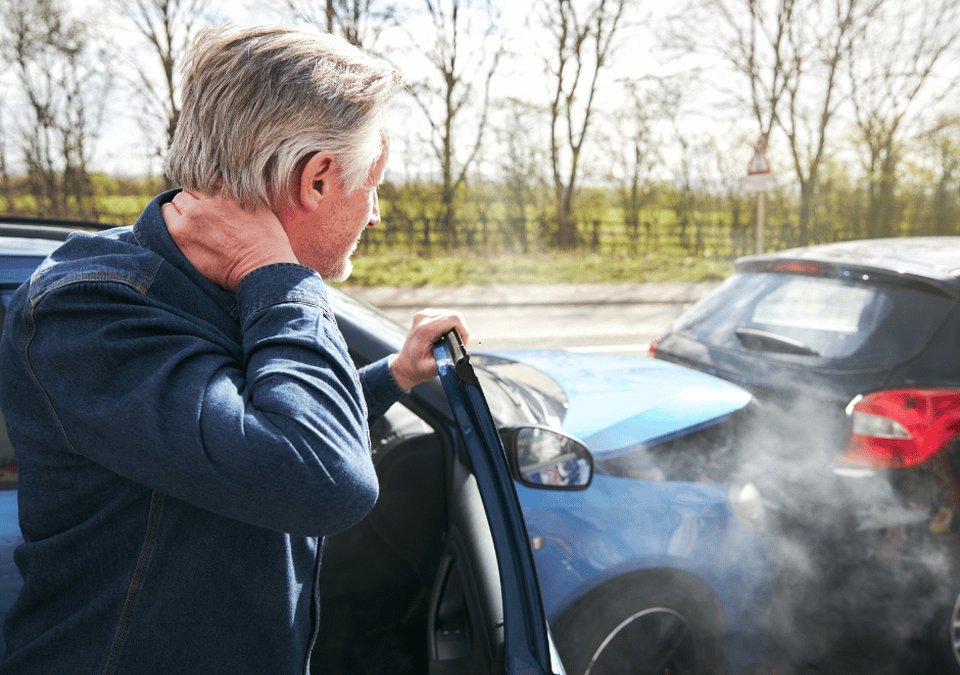
Passengers can claim for almost any injury sustained in a car accident, as long as they were not responsible for causing the collision. Common passenger injuries include whiplash, soft tissue injuries, broken bones, bruising, back pain, head injuries, and psychological effects such as shock or anxiety. Passengers are often in a strong position because liability rarely applies to them. They can claim against the driver of their own vehicle or the other driver, depending on who was at fault.
How long do car accident claims take?
Car accident claims typically take a few months for minor injuries but longer for more serious cases. Several factors affect the timeframe, including the severity of injuries, how quickly medical evidence is available, whether liability is disputed, and whether long-term symptoms need monitoring.
Most straightforward Road Traffic Accident (RTA) claims settle without going to court. Your solicitor will aim to resolve the case as quickly as possible while ensuring you receive fair compensation.
How much compensation could I receive?
The amount you can receive after a car accident depends on your injuries and financial losses.
Compensation is split into:
- General damages: pain, suffering, psychological effects, and impact on your daily life.
- Special damages: loss of earnings, treatment costs, travel expenses, repairs, rehabilitation, and other financial losses.
Severe injuries or long recovery times usually result in higher compensation. A solicitor will calculate your claim using medical evidence and proof of costs.
Can I claim if the accident was partly my fault?
Yes, you can still claim compensation even if you were partly responsible for the accident. This is known as contributory negligence. Your compensation may be reduced to reflect your share of responsibility - for example, not wearing a seatbelt, being distracted, or misjudging distance. Many successful claims involve some shared fault, so it is always worth seeking legal advice.
Can I make a claim on behalf of someone else?
Yes, you can make a claim on behalf of someone who cannot do so themselves. This includes children, vulnerable adults, or loved ones who lack mental capacity. You may also be able to act as a “litigation friend” in these circumstances.
If someone has died as a result of a car accident, close family members may also bring a claim. A solicitor will explain the process and help you through each step.
What if the other driver was uninsured?
If the other driver was uninsured or left the scene (a hit-and-run), you can still claim compensation through the Motor Insurers’ Bureau (MIB). The MIB handles claims where no insurance cover exists, and compensation can still be awarded for injuries and losses. The process is slightly different, but a solicitor will manage all communication and evidence gathering to make the claim as straightforward as possible. Learn more about how long after a car accident you can claim for.