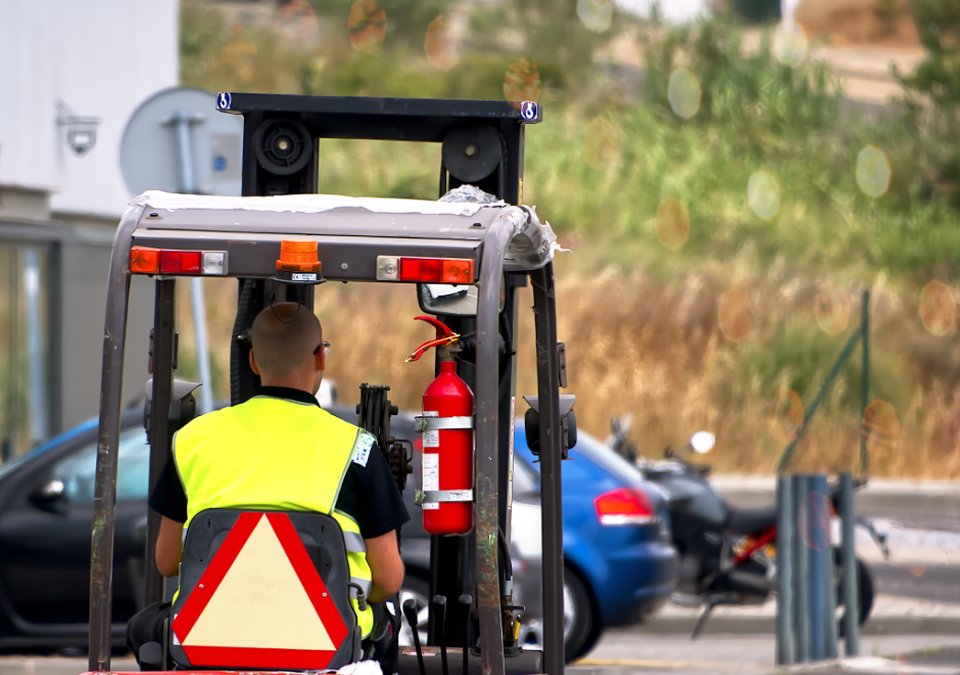
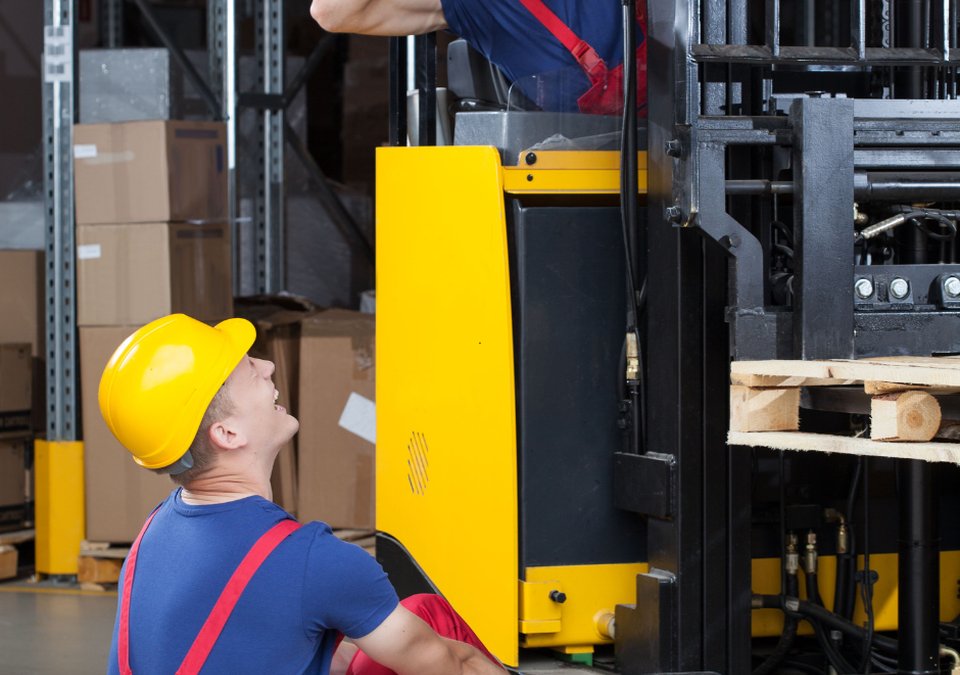
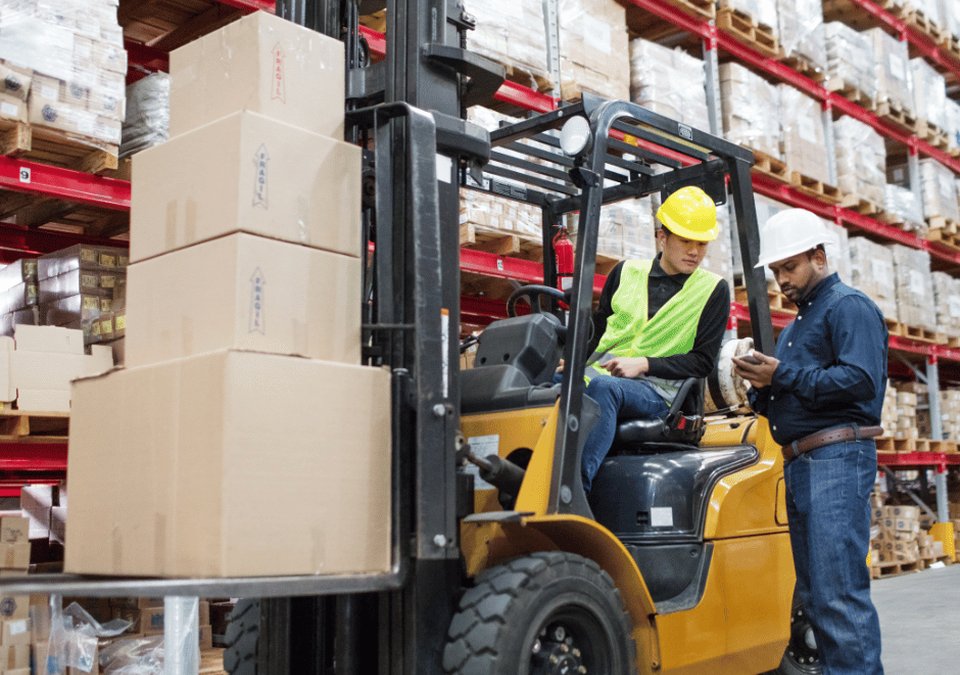
Forklift accidents often happen fast, and many workers are left shocked, hurting, and unsure what to do next. These accidents are sadly common in warehouses, factories, construction sites, and other busy workplaces where heavy machinery is used every day.

If you’ve just been injured, you may feel worried about your health, your job, and what happens now. That uncertainty is normal. What matters most is taking the right steps as soon as you can. These steps protect both your wellbeing and your legal rights.

This guide explains those steps clearly and simply. It also shows how specialist solicitors, like the team at TBI Law, support injured workers across the North East with forklift accident claims. Our advice is practical, calm, and designed to help you move forward with confidence.


Understanding Forklift Accidents at Work

A workplace forklift accident can happen in many ways. A driver may lose control on a corner. A pallet might fall during lifting. A pedestrian could be struck while walking through a busy warehouse. Forklifts can also tip or overturn, trapping workers underneath. Even at low speeds, these incidents can cause serious forklift injuries, including fractures, crush injuries, and head or back trauma.

Forklifts are used in warehouses, factories, construction sites, and storage yards every day, which is why the Health and Safety Executive (HSE) sets strict rules on training, supervision, and safe operation. These rules exist to protect workers, and employers must follow them as part of their employer duty of care under UK health and safety law.

When an accident happens, many people feel shocked and unsure about what to do. That first response matters. Understanding the risks and the steps you should take next is essential for your recovery and for any future claim you may wish to make.

Understanding Forklift Accidents at Work

Step 1 – Get Medical Help Immediately

Your health must come first. Forklift accidents can cause serious injuries, and even minor pain can worsen if left untreated. Seek medical attention as soon as possible.

If the injury is severe, call 999 or ask someone nearby to do it for you. For less urgent situations, use on-site first-aid or visit your GP or A&E as soon as you can. Common forklift injuries include fractures, crush injuries, sprains, back injuries, and head injuries. These injuries do not always show their full effects straight away, which is why early assessment is vital.

Medical records also play an important role in any future claim. They show what happened, when it happened, and how the injury has affected you.

Symptoms you should never ignore include:

  • Back pain
  • Dizziness
  • Swelling
  • Numbness or tingling

Why medical treatment matters for your claim:

  • Provides a clear record of your injury
  • Shows your injury was caused by the accident
  • Helps calculate any compensation you may be entitled to

Getting checked early protects both your health and your legal rights.

Step 2 – Report the Accident to Your Employer

You should tell your employer about the accident as soon as possible. This is important for your safety and for protecting your legal position. Every workplace should keep an accident book. Make sure your injury is written in it, and check that the details are accurate.

More serious injuries may need to be reported under RIDDOR, which requires employers to notify the Health and Safety Executive (HSE). Your employer should know when this applies.

When reporting the accident, include:

  • Date and time
  • Location
  • How the accident happened
  • Any hazards involved
  • Names of witnesses

Reporting the accident cannot be used against you. UK law protects workers, and raising a concern about workplace safety does not affect your job or your rights. This step also helps establish employer liability if the accident was caused by unsafe conditions or a breach of duty.

Step 3 – Gather Evidence to Support Your Forklift Accident Claim

Collecting evidence early can make your claim stronger. It helps prove what happened and why it happened.

What Evidence Should You Collect?

  • Photos or videos of the accident location
  • Photos of the forklift, pallets, or hazards
  • Pictures of your injuries
  • CCTV footage (your employer must provide this when requested)
  • Witness names and contact details
  • A copy of the accident book report
  • Any signs of unsafe working conditions, poor training, or faulty equipment

Why Evidence Helps Your Claim

  • It makes liability easier to prove because it shows exactly what caused the accident.
  • It strengthens negotiations with insurers, who rely on facts when assessing claims.
  • It helps calculate compensation, as evidence shows the impact of your injury.

Simple, clear evidence can make a significant difference to the outcome of your claim.

Gather Evidence to Support Your Forklift Accident Claim

Step 4 – Check Your Rights After a Forklift Accident

UK law gives workers strong protections after a forklift accident. Employers must follow the Health and Safety at Work Act, which includes providing proper training, carrying out risk assessments, and keeping working areas safe. They must also supply suitable PPE and make sure machinery is working correctly.

Some injured workers worry about reporting problems or making a claim. You should not. The law protects you, and raising concerns does not affect your employment rights.

You can usually make a claim if your accident was caused by:

  • Lack of proper training
  • Faulty or poorly maintained machinery
  • Unsafe working practices
  • Inadequate supervision
  • No PPE or incorrect PPE

You may still claim even if you believe you were partly at fault. This is called contributory negligence. Your compensation may be reduced, but you still have the right to bring a claim. The key question is whether your employer failed in their duty to keep you safe.

Step 5 – Speak to a Personal Injury Solicitor for Claim Advice

After getting medical help and reporting the accident, it is wise to speak to a solicitor. Early advice protects your rights and helps you avoid mistakes that could affect your claim.

A solicitor will:

  • Review how the accident happened
  • Assess the evidence you have
  • Arrange independent medical assessments
  • Advise you on employer negligence
  • Guide you through each stage of the claims process

Most workplace accident claims can be handled on a No Win No Fee basis. This means you do not pay anything upfront, and you only pay a fee if your claim succeeds.

There is a three-year time limit to start a forklift accident claim, so it is important to get advice promptly.

You’re not expected to handle this alone. Our Personal Injury Solicitors has extensive experience with forklift injuries, warehouse accidents, and employer liability claims. We offer clear, practical guidance to help you move forward with confidence.

Common Forklift Accident Injuries

Forklift accidents can cause a wide range of injuries. Some are minor, while others can have a long-term impact. The list below covers the most common injuries seen in workplace forklift accidents:

  • Crush injuries
  • Broken bones
  • Back and spinal injuries
  • Head injuries
  • Foot and leg injuries
  • Soft tissue injuries, including sprains and strains

The severity of your injury will influence the level of compensation you may receive. More serious injuries often lead to higher awards because they affect daily life, work, and long-term recovery. This section is not meant to alarm, but to help you understand why medical treatment and early reporting matter.

Am I Eligible to Make a Forklift Accident Claim?

Many injured workers are unsure whether they can make a claim. The good news is that eligibility is usually straightforward. You may be able to claim compensation if:

Employers must provide safe equipment, proper training, and a workplace that follows health and safety rules. If they fail to do this and you are harmed as a result, they may be legally responsible.

Here is a simple way to understand eligibility:

Yes, you can claim if:

  • You were hurt because you were not trained properly
  • The forklift or equipment was faulty
  • The working area was unsafe
  • You were asked to work without the right supervision or PPE

You may still claim if:

  • You think you were partly at fault
  • You made a small mistake but unsafe conditions contributed
  • Another worker caused the accident

Your claim is confidential. Speaking to our personal injury solicitor does not affect your job, and your employer cannot legally treat you unfairly for seeking advice. Discover more about how to claim compensation for an injury at work in our step-by-step guide.

Am I Eligible to Make a Forklift Accident Claim?

How Much Compensation Could You Receive?

The amount of compensation you could receive after a forklift accident depends on several factors. Every case is different, so it is important to focus on what affects the final amount rather than trying to estimate a figure.

Key factors include:

  • Severity of the injury and how long recovery takes
  • Loss of earnings if you cannot work
  • Long-term pain or disability that affects your daily life
  • Medical treatment you need now or in the future
  • Rehabilitation costs, such as physiotherapy or counselling

Compensation is usually divided into two parts:

General damages
These cover the pain, suffering, and impact the injury has on your life.

Special damages
These cover financial losses, such as lost income, treatment costs, travel expenses, and any equipment you need during recovery.

There are no guaranteed amounts, and no two claims are the same. The team at TBI Law will calculate your compensation based on detailed medical evidence and the full impact the accident has had on your life.

How Much Compensation Could You Receive?

Frequently Asked Questions

What should I do immediately after a forklift accident?

The first thing you should do after a forklift accident is get medical help, even if your injuries seem minor. Early treatment protects your health and creates clear medical records that support any future forklift accident claim.

After seeking help, report the accident to your employer and ask for it to be written in the accident book. You should also:

  • Take photos of the scene
  • Note any hazards
  • Gather witness details

These simple steps help protect both your wellbeing and your legal rights.

Can I claim compensation for a forklift accident at work?

Yes, you can claim compensation for a forklift accident at work if you were injured and the accident was caused by unsafe conditions, poor training, or employer negligence. UK employers have a legal duty to keep workers safe, and failing in that duty may make them liable. Compensation can cover injuries, lost income, medical costs, and rehabilitation.

Do I need to prove my employer was at fault?

You do not need to prove fault on your own, but evidence will help show whether your employer failed in their duty of care. A solicitor gathers documents, witness statements, training records, and CCTV to establish liability.

Examples of employer failings include:

  1. Lack of proper training
  2. Faulty or poorly maintained machinery
  3. Unsafe working practices

Even if liability is disputed, your solicitor will investigate the accident on your behalf.

What if the forklift accident was partly my fault?

You can still claim compensation for a forklift accident even if you were partly at fault. This is known as contributory negligence. Your compensation may be reduced to reflect your share of responsibility, but you still have the right to bring a claim.
 For example, you may still claim if:

  • PPE was missing
  • Training was inadequate
  • Machinery was unsafe

Many forklift accident claims involve shared responsibility.

How long do forklift accident claims take?

Forklift accident claims typically take several months to more than a year, depending on the severity of the injury and whether liability is disputed. Straightforward cases settle faster.
 Claims often take longer when:

  • Medical treatment is ongoing
  • Several parties were involved
  • The employer denies fault

Your solicitor will guide the process and keep you updated throughout.

How much is a forklift accident claim worth?

A forklift accident claim is worth different amounts depending on your injury, financial losses, and the long-term impact on your life. There is no fixed figure.

Compensation usually includes:

  • General damages for pain and suffering
  • Special damages for lost earnings, medical costs, and rehabilitation

A solicitor calculates your claim using medical evidence and expert assessments.

Do I need to take time off work to make a claim?

No, you do not need to take time off work to make a forklift accident claim. You can begin your claim while still employed and working.

If you do need time off because of your injuries, this can be included in your claim as loss of earnings. Your solicitor handles most of the process, so your day-to-day work is not affected.

Is it free to start a forklift accident claim?

Yes, most forklift accident claims can be started for free under a No Win No Fee agreement. This means you do not pay anything upfront and only pay a fee if your claim succeeds. This approach allows injured workers to seek legal advice without worrying about costs. It also ensures your solicitor is fully invested in the success of your claim.


What To Do After a Forklift Accident

A forklift accident can leave you shaken and unsure what to do next. Taking the right steps early protects both your health and your legal rights. Always focus on medical treatment first, then report the accident and gather as much evidence as possible. UK health and safety law protects injured workers, and you may be entitled to compensation if unsafe conditions or employer failings contributed to the accident.

Key Takeaways

  • Get medical help immediately — even mild symptoms can worsen.
  • Report the accident to your employer and ensure it’s written in the accident book.
  • Collect evidence, including photos, witness details, and copies of reports.
  • Know your rights — employers must provide safe equipment, training, and supervision.
  • You may still claim even if you think you were partly at fault.
  • Compensation varies depending on injury severity, financial losses, and recovery needs.
  • Legal advice helps protect your rights and strengthens your forklift accident claim.

Speaking to a specialist solicitor can give you clarity, reassurance, and a clear plan for what to do next. TBI Law offers free initial advice and most claims can be supported on a No Win No Fee basis.

If you’ve been injured in a forklift accident, you don’t have to navigate this alone. We’re here to help you move forward. Contact us and speak to our team of Accident at Work and  Personal Injury Solicitors - today.

What To Do After a Forklift Accident