
Late and Missed Diagnosis of Cancer
It has recently been reported the numbers dying from cancer have been above the five year norm. There can be no doubt the pandemic has played its part in this.



If poor medical care has caused you harm, you deserve clear answers and specialist legal support. Our experienced medical negligence solicitors help people in Hartlepool, Stockton-on-Tees and across the North East make claims for avoidable injuries caused by hospitals, GPs, dentists, private healthcare providers and other medical professionals.
At Tilly Bailey & Irvine, we understand that every medical negligence claim is personal. You may be dealing with pain, financial pressure, unanswered questions or a loss of trust in the care you received. Our role is to listen, assess your claim clearly and explain your legal options in plain English.
We are not a claims management company. We are experienced solicitors with a strong track record of securing compensation for clients affected by clinical negligence. Where your claim has reasonable prospects of success, we may be able to act on a no win, no fee basis.
Speak to our medical negligence team today for a free initial interview.
Worried about the cost of making a medical negligence claim? We offer a free initial interview, so you can speak to our team before deciding what to do next.
During this first conversation, we will listen to what happened, ask the right questions and explain whether your claim may have reasonable prospects of success. We can also talk you through the likely timescale, the evidence needed and the next steps involved.
If we believe your claim is viable, we may be able to act for you on a no win, no fee basis. This means you can pursue a medical negligence claim without paying legal fees upfront.
Our team will explain everything clearly before you make a decision. You will know what the arrangement means, what may be deducted from compensation if your claim succeeds, and what protections may be available if your claim does not succeed.
This gives you the chance to get specialist legal advice without added financial pressure.
Call: 01429 225200

If you or a loved one has suffered because of poor medical advice, delayed treatment or avoidable mistakes, you may be able to make a medical negligence claim. Speaking to a specialist solicitor early can help you understand whether the care you received fell below the expected standard.
At Tilly Bailey & Irvine, our medical negligence solicitors deal with claims involving GPs, NHS hospitals, private hospitals, dentists, surgeons, consultants and other healthcare professionals. We can help if you have suffered because of a missed diagnosis, delayed diagnosis, surgical error, prescription mistake, birth injury, dental negligence or poor aftercare.
We know these claims can feel overwhelming. You may not know whether what happened was negligence. You may also be unsure who was responsible, what evidence you need or whether it is worth making a claim. Our role is to give you clear advice from the start.
Our team is accredited by Action Against Medical Accidents (AvMA). We have also handled thousands of claims for people injured because of poor medical care. This experience helps us assess your case carefully, explain your options and pursue the compensation you deserve where a claim can be made.
We will talk you through the likely timescale, the evidence needed and the possible value of your claim. You will not be left guessing.
Call: 01429 225200Yes, you may be able to make a no win, no fee medical negligence claim if your case has reasonable prospects of success. This means you can start a claim without paying legal fees upfront.
At Tilly Bailey & Irvine, we offer a free initial interview for medical negligence clients. During this conversation, we will listen to what happened, ask key questions and explain whether we think your claim can move forward.
If we believe your claim is viable, we may be able to offer a no win, no fee arrangement. This is also known as a Conditional Fee Agreement. In simple terms, it means that if your claim is unsuccessful, you will not usually pay our legal fees.
Before you decide whether to proceed, we will explain:
how the no win, no fee arrangement works
what happens if your claim is successful
what may be deducted from your compensation
what protections may be available if the claim is unsuccessful
whether any insurance may be needed
what evidence will be required
We know many people worry about the cost of speaking to a solicitor. Our aim is to make specialist legal advice accessible, clear and fair from the start.
You do not need to know whether you definitely have a valid claim before contacting us. We can review your case, explain your options and help you decide what to do next.
Medical negligence compensation is designed to help put you back in the position you would have been in if the negligence had not happened. While compensation cannot undo what you have been through, it can help cover the financial, physical and practical impact of poor medical care.
The amount you may be able to claim will depend on your injury, recovery, future needs and how your life has been affected.
Medical negligence compensation can help pay for:
pain, suffering and loss of amenity
lost earnings if you have been unable to work
future loss of earnings
private medical treatment
rehabilitation and therapy
care and support at home
travel costs for appointments
medication and treatment expenses
specialist equipment or mobility aids
adaptations to your home
future care needs
the impact on hobbies, family life and independence
Some claims also include the cost of care provided by family members. This may apply if a loved one has helped with washing, dressing, meals, transport, childcare or daily tasks because of your injury.
We will look carefully at how the negligence has affected your life, not just your medical records. This helps us value your claim properly and avoid settling for less than you may need.
In most medical negligence claims, you usually have three years to start court proceedings. This is known as the limitation period. The three years normally runs from the date the negligence happened or from the date you first realised that poor medical care may have caused you harm.
This second date is called your “date of knowledge”. It can be important in cases where the problem was not obvious straight away. For example, you may only realise later that a delayed diagnosis, surgical mistake, GP error or hospital error caused your injury or made your condition worse.
There are some exceptions to the usual three-year rule. These can include:
claims involving children
claims involving someone who lacks mental capacity
fatal medical negligence claims
cases where the court allows a claim to continue outside the normal time limit
If the claim involves a child, the three-year period usually does not start until their 18th birthday. This means they may have until their 21st birthday to start a claim.
Time limits can be complex, so it is important to get advice as early as possible. If you wait too long, you may lose the right to claim compensation.
At Tilly Bailey & Irvine, we can review the dates, explain whether you may still be in time and advise you on the next steps. If your claim has reasonable prospects of success, we may be able to act on a no win, no fee basis.
Evidence is essential in a medical negligence claim because it helps show what happened, whether the care fell below a reasonable standard and how you were affected.
You do not need to collect everything before speaking to us. We can help you understand what evidence may be needed and request key documents on your behalf. This usually includes your medical records, treatment notes and any correspondence from the hospital, GP, dentist or private healthcare provider involved.
Useful evidence may include:
medical records
GP notes
hospital records
referral letters
appointment letters
discharge notes
prescription records
photographs of visible injuries
details of symptoms and ongoing problems
receipts for treatment, travel or care costs
payslips or evidence of lost earnings
witness details, where relevant
complaint letters or responses from the NHS or healthcare provider
Medical negligence claims often need evidence from independent medical experts. These experts can review your records and provide an opinion on whether the care you received was negligent. They can also explain whether that negligence caused your injury, made your condition worse or delayed your recovery.

You can start a medical negligence claim by speaking to a specialist solicitor about what happened, the treatment you received and how it has affected you. We will listen to your concerns, assess whether your claim may have reasonable prospects and explain the next steps clearly.
At Tilly Bailey & Irvine, we begin with a free initial interview. This gives you the chance to discuss your case before deciding whether to move forward. We can help you understand whether the care you received may have fallen below a reasonable standard and whether it caused avoidable harm.
If your claim can proceed, we will usually take the following steps:
Review what happened
We will talk through your treatment, symptoms, concerns and the impact on your life.
Gather medical records
We can request and review relevant medical records from hospitals, GPs, dentists or private healthcare providers.
Assess the evidence
Medical negligence claims often need independent expert evidence. This helps show whether the care was negligent and whether it caused your injury or loss.
Explain your funding options
If your claim has reasonable prospects of success, we may be able to act on a no win, no fee basis.
Contact the healthcare provider
Where appropriate, we can send a formal claim to the NHS trust, GP practice, private hospital, dentist or other provider involved.
Pursue compensation
We will work to secure compensation for your injury, pain, financial losses, care needs, lost earnings and any future treatment or support.
You do not need to know whether you definitely have a claim before contacting us. Our role is to help you understand where you stand and what options are available.
Start Your ClaimMedical negligence happens when a healthcare professional provides care that falls below a reasonable standard and causes avoidable harm. This is also known as clinical negligence.
This can happen in NHS care, private healthcare, GP appointments, hospital treatment, surgery, dental care, maternity care or aftercare. It can involve a single mistake, a delayed diagnosis, poor advice or a failure to act when treatment was clearly needed.
Not every poor outcome is medical negligence. Sometimes treatment does not work as expected, even when the care provided was reasonable. To make a medical negligence claim, we usually need to show that:
you were owed a duty of care
the care you received fell below an acceptable standard
this caused injury, illness or made your condition worse
you suffered pain, financial loss or other harm as a result
This is why getting specialist advice matters. Medical negligence claims often need detailed evidence, medical records and independent expert reports. We can review what happened, explain whether you may have a claim and guide you through the next steps in plain English.
At Tilly Bailey & Irvine, our medical negligence solicitors have handled thousands of claims involving poor care from GPs, hospitals, dentists, surgeons and other clinical professionals. We are also accredited by Action Against Medical Accidents, known as AvMA.
If you are unsure whether what happened to you was negligence, we can help you understand where you stand.
Having a baby is one of life’s major landmarks and a moment to treasure for family and friends. The thought of childbirth problems and the health of the baby can worry many mothers-to-be, but fortunately, serious complications are rare. When problems do occur, however, they can be devastating and lead to a birth injury claim.
Birth Injury Claims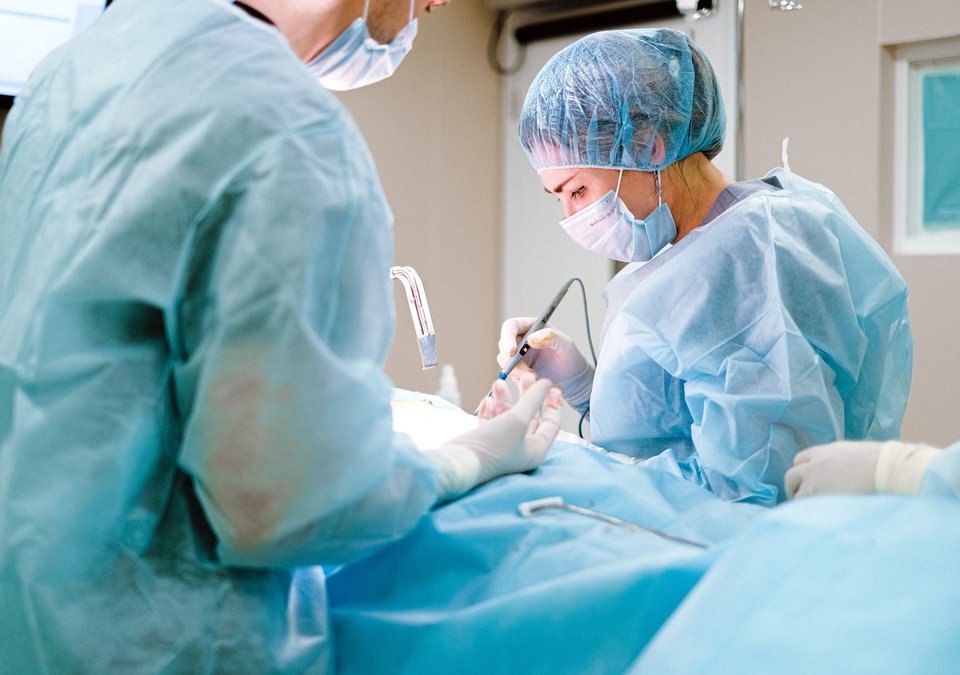
You may have seen on the news and in the newspapers the plight of the thousands of women who have been fitted with the trans-vaginal mesh for stress urinary incontinence and pelvic organ prolapse.
If you have been affected and are suffering from complications as a result of a previous mesh implant, then do not hesitate to contact your local solicitors at Tilly Bailey & Irvine.
Mesh Implant ClaimsWe understand the impact a bad cosmetic surgery procedure can have on your self-esteem and quality of life. Our team have won compensation for many people who have suffered from botched plastic surgery procedures and have a reputation for dealing with such cases in a professional, caring, competent manner.
Like any surgery, cosmetic surgery comes with risks. It is essential that the surgeon performing your procedure explains these risks to you. If they fail to do so, they could be guilty of negligence.
Cosmetic Surgery
Everyone wants to have a beautiful smile and healthy teeth. However, few people look forward to a trip to the dentist. Most dental treatments are performed with care and attention, and the patient is 100% happy with the treatment they receive.
If you have received inadequate or negligence dental treatment, you may be entitled to make a dental negligence claim with the help of Tilly Bailey & Irvine Law Firm.
Dental NegligenceWe understand that just because you wish to claim compensation for a wrongful birth or failed contraception, it does not mean you don’t love and cherish your child or have not been emotionally devastated if you chose to have a termination.
You have a right to claim compensation for a medical procedure that has failed due to negligence. You will find our solicitors are compassionate and non-judgemental, focused only on your best interests.
Failed Contraception

It goes without saying that the overwhelming majority of Medical Professionals do not set out to cause any injury to their patients. Sometimes though, things can go wrong when under the care of a GP or Doctor.
An incorrect prescription, misdiagnosis, oversight in medical records or crucial delay can have devastating effects.
GP Negligence ClaimsThe NHS considers the removal of the gall bladder to be a relatively safe procedure, highlighting that complications only arise in around 5% of cases. However, health problems caused by negligent surgery can be serious, if not fatal, meaning that if you receive a gall bladder injury, compensation may be sought.
If you have suffered a gall bladder or bile duct injury due to a surgeon’s negligence, talk to one of our experienced medical negligence solicitors for confidential advice.
Gall Bladder Claims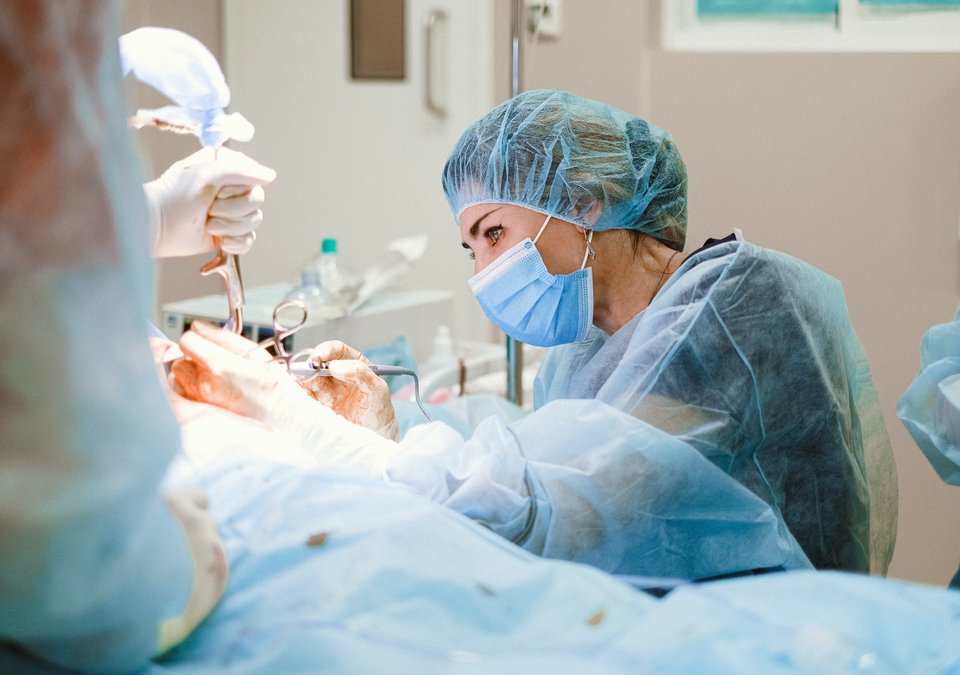

Hospital negligence refers to cases of medical/clinical negligence (the terms are used interchangeably in the UK) that occur in an NHS hospital or private clinic.
Hospital negligence can result in catastrophic injuries. Our expert team of clinical negligence solicitors will manage your claim in a sensitive, caring manner. We are dedicated to obtaining the best results for our clients and are committed to acting in a professional manner, always taking our clients best interests into account with every action we take.
Hospital NegligenceHere at Tilly Bailey & Irvine, our experienced specialist North East solicitors in Hartlepool and Stockton-on-Tees know that each medical negligence claim will be different. Our professional and sympathetic team will ensure you get the advice, help and compensation that you deserve.
Our medical negligence team understands the financial pressure many of our clients are under. Therefore, we offer no win, no fee arrangements.
Bed Sores Claims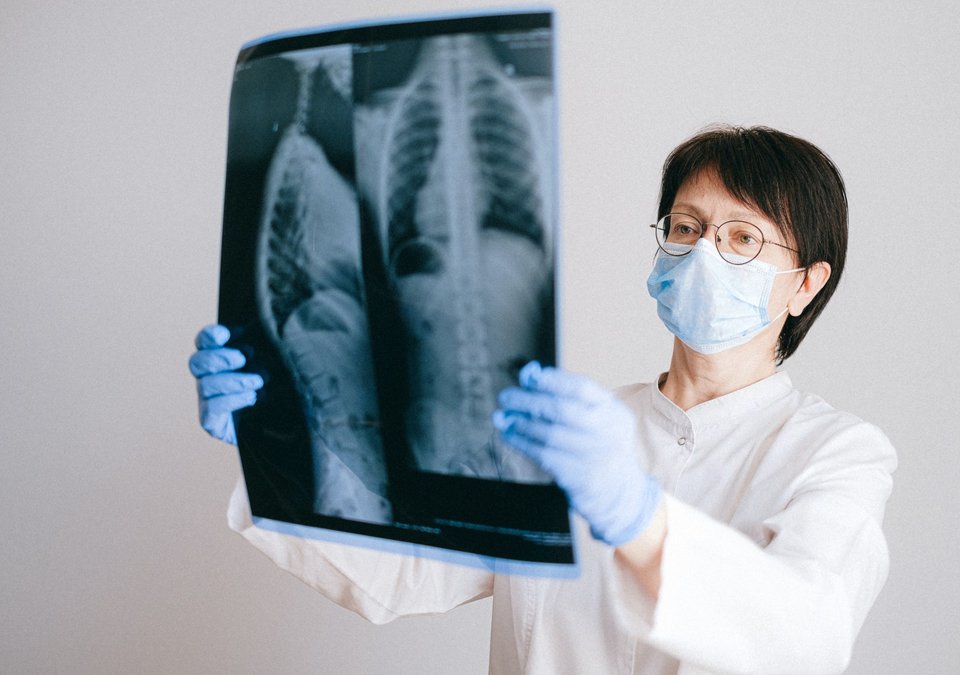

Many patients who have had hip replacements develop no serious problems and benefit from well-functioning hip implants.
But compared with other hip replacements, some metal-on-metal hip devices have been found to wear down more quickly in some patients. The implants can cause tiny metal fragments/debris to be released into the joint, muscle and into the blood stream, resulting in bone and muscle damage, as well as neurological issues.
Hip ReplacementIf you think poor medical care has caused you harm, it is worth getting advice as soon as possible. The earlier you speak to a solicitor, the easier it can be to review what happened, gather evidence and understand whether you may have a claim.
Our medical negligence solicitors can help you take the next step with confidence. We will listen to your concerns, explain your options clearly and give you honest advice about whether your claim can move forward.
From our offices in Hartlepool and Stockton-on-Tees, we support people across the North East with medical negligence and clinical negligence claims. Whether your case involves NHS treatment, private healthcare, GP negligence, hospital errors, dental negligence or a delayed diagnosis, we can help you understand where you stand.
We know that starting a claim can feel stressful. That is why we offer a free initial interview. If your claim has reasonable prospects of success, we may also be able to act on a no win, no fee basis.
Speak to Tilly Bailey & Irvine today for clear, practical advice from experienced medical negligence solicitors.
Call: 01429 225200
A medical negligence claim is a legal claim for compensation when poor medical care causes avoidable harm. This can include physical injury, a worsened condition, emotional distress, lost earnings, care costs or the need for further treatment.
To make a claim, you usually need to show that the care fell below a reasonable standard and that this directly caused harm. This may involve reviewing medical records and obtaining evidence from independent medical experts.
Medical negligence claims can involve NHS treatment, private healthcare, GP errors, hospital mistakes, misdiagnosis, delayed diagnosis, dental negligence or surgical errors.
You are not legally required to use a solicitor for a medical negligence claim, but specialist legal advice is strongly recommended. These claims can be complex because you must prove that the care fell below a reasonable standard and caused avoidable harm.
A medical negligence solicitor can review your medical records, gather expert evidence, assess the value of your claim and deal with the NHS, private healthcare provider or insurer on your behalf.
At Tilly Bailey & Irvine, we can explain whether your claim may be viable during a free initial interview. If your claim has reasonable prospects, we may be able to act on a no win, no fee basis.
A medical negligence compensation offer can take several months or longer, depending on how complex the claim is. Straightforward claims may settle sooner, but cases involving serious injury, disputed evidence or long-term care needs often take more time.
Before an offer is made, your solicitor will usually need to gather medical records, obtain expert evidence, assess liability and understand the full impact of your injury. This helps make sure any offer reflects your pain, losses, treatment needs, lost earnings and future care.
You should not feel pressured to accept an early offer without legal advice. It may not reflect the true value of your claim.
Solicitors often handle medical negligence claims on a no win, no fee basis if the claim has reasonable prospects of success. This means you do not usually pay legal fees upfront.
If your claim succeeds, a success fee may be deducted from your compensation. Your solicitor should explain this clearly before you agree to proceed. The amount can depend on the funding arrangement, the work involved and the risks of the case.
At Tilly Bailey & Irvine, we offer a free initial interview for medical negligence clients. We will explain your funding options, any potential deductions and whether a no win, no fee arrangement may be available.
You may be able to sue for medical negligence if a healthcare professional owed you a duty of care, provided treatment below a reasonable standard and caused you avoidable harm. This harm could be physical, psychological or financial.
Common grounds for a medical negligence claim include misdiagnosis, delayed diagnosis, surgical errors, poor aftercare, medication mistakes, birth injuries, dental negligence, GP errors or failure to refer you for specialist care.
A poor outcome alone is not always enough to claim. You usually need evidence showing that the care was negligent and that it directly caused injury, illness, loss or a worsened condition.
The chances of winning a medical negligence claim depend on the strength of the evidence. You usually need to prove that the care you received fell below a reasonable standard and directly caused avoidable harm.
A solicitor will look at your medical records, what happened during treatment, the impact on your health and whether independent medical experts support the claim. Your chances may be stronger if there is clear evidence of misdiagnosis, delayed treatment, surgical error, poor aftercare or a failure to act on symptoms.
At Tilly Bailey & Irvine, we assess this carefully before advising whether your claim should proceed.
The average payout for medical negligence in the UK varies widely depending on the severity of the injury, the impact on the victim's life, and other factors. Compensation can range from thousands to millions of pounds. One ouf our experienced medical negligence solicitors can assess your case and provide an estimate of potential compensation based on similar cases.
Yes, many NHS medical negligence claims settle out of court when liability is accepted or both sides agree a fair compensation amount. Going to court is not always necessary.
Most claims involve evidence gathering, expert medical reports, negotiations and discussions with NHS Resolution or the relevant NHS trust. If the evidence supports your claim, the case may settle before a trial.
Some claims do need court proceedings, especially where negligence is denied or the value of compensation is disputed. Even then, many cases still settle before the final hearing. A solicitor can advise you on the safest way to progress your claim.
A medical negligence claim can take several months to several years to settle, depending on the complexity of the case. Claims usually take longer when the injury is serious, the evidence is disputed or the long-term impact is unclear.
Before settlement, your solicitor may need to gather medical records, obtain independent expert evidence, assess whether negligence caused your harm and calculate your financial losses. This can include lost earnings, treatment costs, care needs and future support.
Straightforward claims may settle sooner. Complex NHS negligence, hospital negligence or misdiagnosis claims may take longer, especially if court proceedings are needed.
You should not accept the first medical negligence compensation offer without legal advice. An early offer may not reflect the full impact of your injury, future treatment needs, lost earnings, care costs or long-term support.
Once an offer is accepted, you usually cannot ask for more compensation later. This can be a serious problem if your condition worsens or your future losses were not properly valued.
A medical negligence solicitor can review the evidence, assess whether the offer is fair and negotiate where needed. At Tilly Bailey & Irvine, we aim to make sure any settlement reflects the real impact of the negligence on your life.
NHS negligence payouts vary from case to case, but NHS Resolution reported £3.1 billion in compensation and associated costs across clinical schemes in 2024/25. This figure covers many different claims, from lower-value cases to serious, life-changing injuries.
The amount paid in an individual NHS negligence claim depends on the injury, recovery, care needs, lost earnings, treatment costs and long-term impact. Higher-value claims often involve severe disability, birth injuries, delayed diagnosis or lifelong support needs.
A medical negligence solicitor can assess the value of your claim once medical evidence and financial losses are clear.
Yes, you may be able to claim against the NHS for emotional distress if negligent medical care caused a recognised psychological injury or formed part of the wider harm you suffered. Emotional distress alone can be difficult to claim for unless there is clear evidence of its impact.
A claim may include anxiety, trauma, depression or loss of enjoyment of life where this is linked to negligent treatment, delayed diagnosis, misdiagnosis, surgical error or poor hospital care. Medical evidence is usually needed to show how the negligence affected your mental health.
Our medical negligence solicitors can assess whether emotional distress forms part of your compensation claim.
To prove NHS negligence, you usually need evidence that the care you received fell below a reasonable standard and caused avoidable harm. This means showing both negligence and causation.
Useful evidence can include medical records, referral letters, test results, appointment notes, discharge summaries, witness evidence and independent medical expert reports. These records help show what happened, what should have happened and whether the mistake affected your health.
Examples may include delayed diagnosis, misdiagnosis, surgical errors, poor hospital care, medication mistakes or failure to refer you for specialist treatment. A medical negligence solicitor can gather evidence and assess whether your NHS negligence claim is viable.
You can usually sue the NHS within three years of the negligent treatment or within three years of realising that NHS negligence may have caused you harm. This is known as the limitation period.
In some cases, you may only discover the issue later. For example, you may not immediately know that a delayed diagnosis, hospital error or GP mistake caused your condition to worsen. This is why the “date of knowledge” can be important.
Different rules may apply for children, people who lack mental capacity and fatal medical negligence claims. If you are unsure whether you are still in time, a solicitor can review the dates and explain your options.
You can contact our medical negligence solicitor team if you believe NHS negligence caused you avoidable harm. You can also make a complaint directly to the NHS trust, GP practice or healthcare provider involved.
A complaint can help you get answers about what happened. A legal claim is different because it focuses on proving negligence and recovering compensation for injury, financial loss, care needs or future treatment.
At Tilly Bailey & Irvine, we can review your concerns, explain whether you may have an NHS negligence claim and advise on the next steps. We offer a free initial interview for medical negligence clients.
You can make a clinical negligence claim if poor medical care caused you avoidable harm. This can include treatment from the NHS, a private hospital, GP, dentist, surgeon, consultant or other healthcare professional.
You may be able to claim for yourself, on behalf of a child, or on behalf of someone who lacks mental capacity. In some cases, a family member may also be able to claim after a loved one has died because of negligent medical care.
To bring a claim, you usually need evidence that the care fell below a reasonable standard and caused injury, illness, financial loss or a worsened condition.
Yes, you may be able to make a medical negligence claim on behalf of a loved one if they cannot bring the claim themselves. This may apply if the person is a child, lacks mental capacity or has died because of negligent medical care.
For children, a parent or guardian can often act as a litigation friend. For adults who lack capacity, another suitable person may be able to act on their behalf. If your loved one has died, certain family members or dependants may be able to bring a fatal medical negligence claim.
A solicitor can explain who is eligible to claim and what evidence is needed.
A patient recall letter is a formal letter asking you to return for further checks, treatment or review after a possible issue with your medical care has been identified. It may come from an NHS trust, hospital, GP practice, dentist, private healthcare provider or health board.
A recall letter does not always mean medical negligence has happened. However, it may suggest that a concern has been found, such as a missed diagnosis, treatment error, failed follow-up, incorrect test result or problem affecting several patients.
You should read the letter carefully, attend any recommended appointment and keep a copy. A medical negligence solicitor can advise if the recall raises concerns about avoidable harm.
If you receive a recall letter from a hospital or health board, you should read it carefully, attend any recommended appointment and keep a copy of all correspondence. The letter may ask you to return for further tests, treatment or a review of previous care.
You should also make a note of your symptoms, concerns and any impact on your health, work or daily life. If the recall suggests a missed diagnosis, treatment error, failed follow-up or wider issue with patient care, you may want legal advice.
Our medical negligence team can explain whether the recall may support a claim for compensation.
Yes, you may be able to make a medical negligence claim if poor care at a private hospital caused you avoidable harm. Private healthcare providers, consultants, surgeons and clinical staff still owe you a duty of care.
A private hospital negligence claim may involve surgical errors, delayed diagnosis, poor aftercare, infection, medication mistakes or treatment that fell below a reasonable standard. These claims are usually made against the private hospital, individual clinician or their insurer.
A medical negligence solicitor can review your records, identify who may be responsible and explain whether you may have a valid compensation claim.
Tilly Bailey & Irvine can help you with various types of medical negligence claims, including but not limited to misdiagnosis, surgical errors, cosmetic surgery claims, medication mistakes, birth injuries, dental negligence, hospital-acquired infections, and failure to provide appropriate treatment or follow-up care.
It has recently been reported the numbers dying from cancer have been above the five year norm. There can be no doubt the pandemic has played its part in this.

Close